Frequently Asked Questions
Clear answers to common questions families ask about Cerebral Palsy.
Can Cerebral Palsy be cured?
There is currently no single cure that removes Cerebral Palsy. Appropriate medical care, rehabilitation, therapy, assistive devices, education and family support can help improve functioning, independence and participation.
Can a child with Cerebral Palsy walk?
Some children walk independently. Others may need walking aids or a wheelchair. Mobility differs from child to child.
Can a child with CP go to school?
Yes. Some children may need accessibility support, assistive technology, special education or classroom accommodations.
Can a child with CP speak?
Some children speak clearly, while others may have difficulty speaking. Alternative and augmentative communication can support children who communicate differently.
Is Cerebral Palsy contagious?
No. Cerebral Palsy is not contagious.
Is Cerebral Palsy hereditary?
Cerebral Palsy is generally not a condition simply passed from parent to child. Its causes are complex, and the exact cause is often unknown.
Can adults have Cerebral Palsy?
Yes. Cerebral Palsy is lifelong. Children with CP grow into adults with their own health, education, employment, relationship and independence needs.
Can therapy help a child with CP?
Therapy can support individual goals involving movement, communication, daily activities, participation and independence. Results vary from person to person.
How early should parents seek help?
If parents notice developmental concerns, they should seek professional assessment rather than waiting for the child to catch up.
Does every child with CP need physiotherapy?
Not in the same way or at the same frequency. Rehabilitation needs should be individually assessed and reviewed as the child grows.
Can a child with CP learn and have a career?
Yes. With accessible education, appropriate support and opportunities, people with CP can develop skills, work and contribute to their communities.
Learn More About Frequently Asked Questions
Cerebral Palsy can affect every child differently. Video content can help families understand Frequently Asked Questions and related support more clearly.
Watch educational videos, parent guidance and awareness content from Sanidhya CP.
Learn. Understand. Support.
Subscribe for More Videos

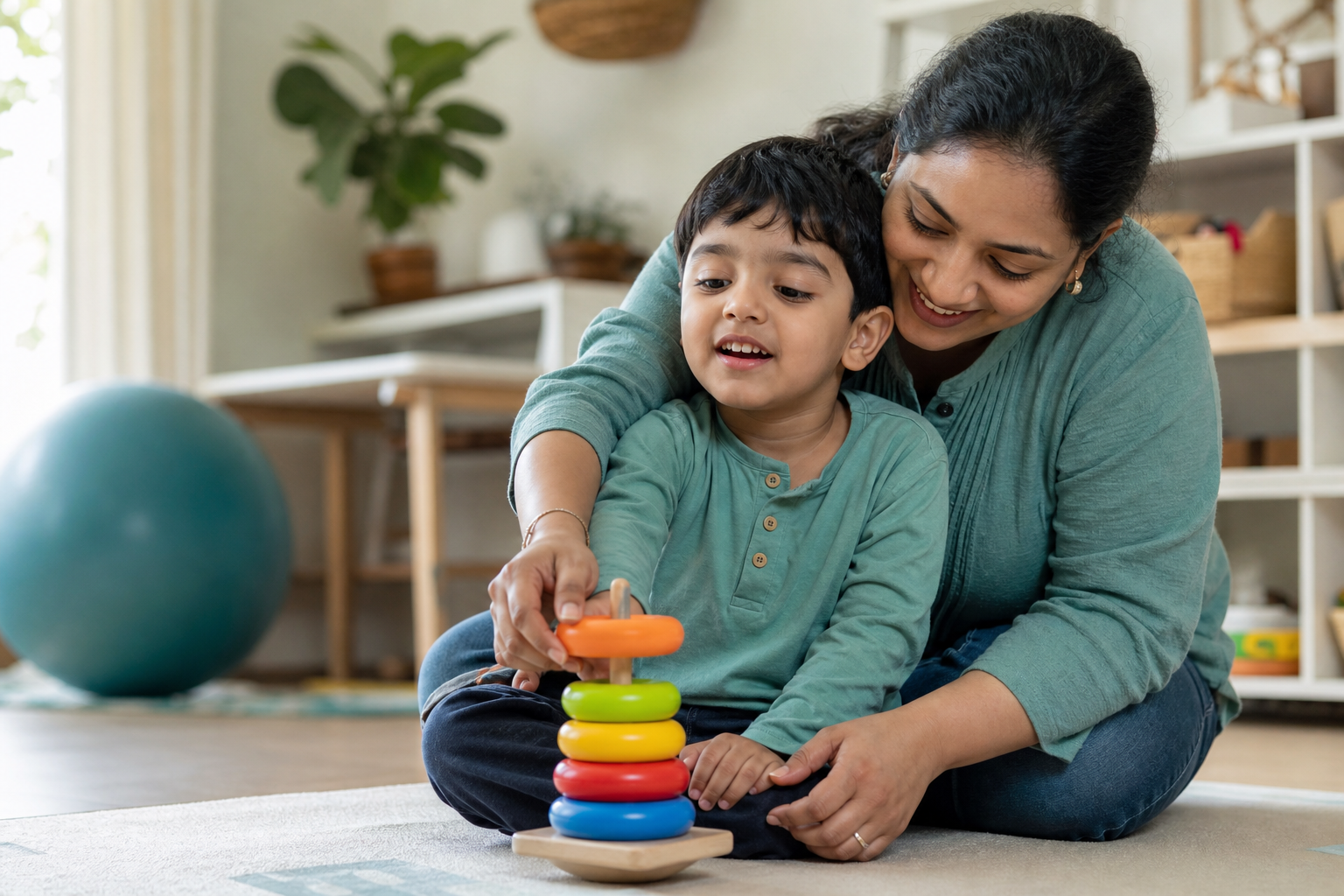
Every child is different.
Information on this website is provided for awareness and education. It should not replace advice, diagnosis or treatment from a qualified healthcare professional.
If you have concerns about your child's development, movement, feeding, communication, vision, hearing or learning, please consult an appropriate healthcare or rehabilitation professional.